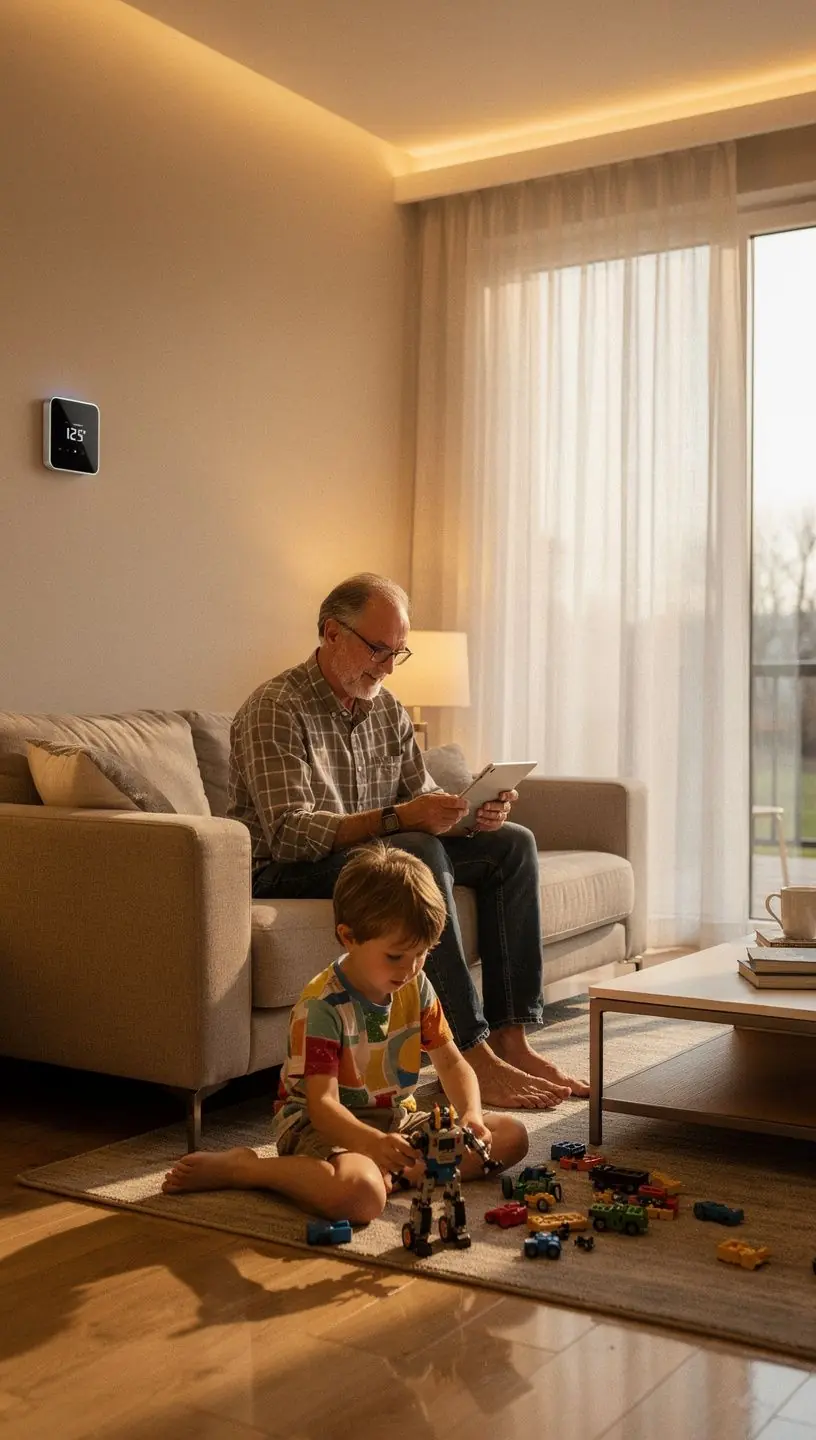
How Smart Lighting Can Improve Well-Being
In recent years, the integration of smart lighting into our homes has gained popularity. While many may view smart lighting merely as a modern convenience, research indicates it can positively impact well-being. This article explores how smart lighting can enhance mood, productivity, and overall quality of life.
Understanding the Basics of Smart Lighting
Smart lighting refers to lighting systems that can be controlled remotely or programmed to operate automatically. These systems often include features such as dimming, color changing, and scheduling. According to industry experts, utilizing smart lighting can lead to improved emotional well-being by allowing individuals to tailor their environment to their personal preferences.

"Studies show that optimally lit environments can enhance mood and productivity, making smart lighting a valuable addition to modern living spaces."
The Connection Between Lighting and Well-Being
Research has shown that lighting significantly influences our daily activities and mental health. Bright white light, often mimicking natural daylight, can increase alertness and improve focus. Conversely, warmer tones in the evening can help signal the brain to wind down, promoting better sleep quality. Many users report that adjusting their lighting according to the time of day has led to enhanced sleep patterns and reduced stress levels.
Practical Applications of Smart Lighting
- Scheduling Light Settings: Setting schedules for different light intensities throughout the day can support natural circadian rhythms. For instance, a gradual increase in brightness in the morning can aid in waking up, while dimming lights in the evening can help transition into a restful state.
- Personalized Ambiance: Smart lighting systems often allow users to select specific colors, which can influence mood. Research suggests that blue light can enhance alertness, while softer hues, such as amber or orange, can promote relaxation.
- Integration with Other Smart Devices: When combined with other smart home systems like thermostats and speakers, smart lighting can create an integrated environment that caters to individual preferences. For instance, a “movie night” setting could dim the lights while adjusting the temperature for maximum comfort.
Challenges and Considerations
While smart lighting can offer numerous benefits, it's important to acknowledge potential challenges. Transitioning to a smart lighting system typically requires an initial investment and may involve a learning curve for optimal setup. Additionally, the effectiveness of smart lighting can vary based on personal preferences and existing home conditions. It may be most beneficial in spaces where individuals spend a significant amount of time, such as home offices or bedrooms.
Conclusion
In summary, research indicates that smart lighting can play a significant role in enhancing well-being by improving mood, productivity, and sleep quality. By understanding how to effectively implement smart lighting solutions, individuals can create a more harmonious living environment that supports both emotional and physical health. As smart home technology continues to evolve, the integration of smart lighting represents a promising avenue for enhancing daily life.
Learn More