How to Set Up a Smart Security System
Setting up a smart security system can significantly enhance the safety of your home. In this guide, we will explore the steps involved, necessary considerations, and how these systems work to provide peace of mind.
Understanding the Basics
Smart security systems typically involve interconnected devices that communicate with one another to monitor and protect your home. According to industry experts, integrating various components such as cameras, alarms, and sensors can create a more comprehensive security solution.
"A well-designed smart security system can provide real-time alerts and monitoring, reducing response times in case of emergencies."
Steps to Set Up Your Smart Security System
- Assess Your Needs: Start by evaluating your home layout and identifying vulnerable areas. Many users find that high-traffic entrances and ground-level windows are key spots to focus on.
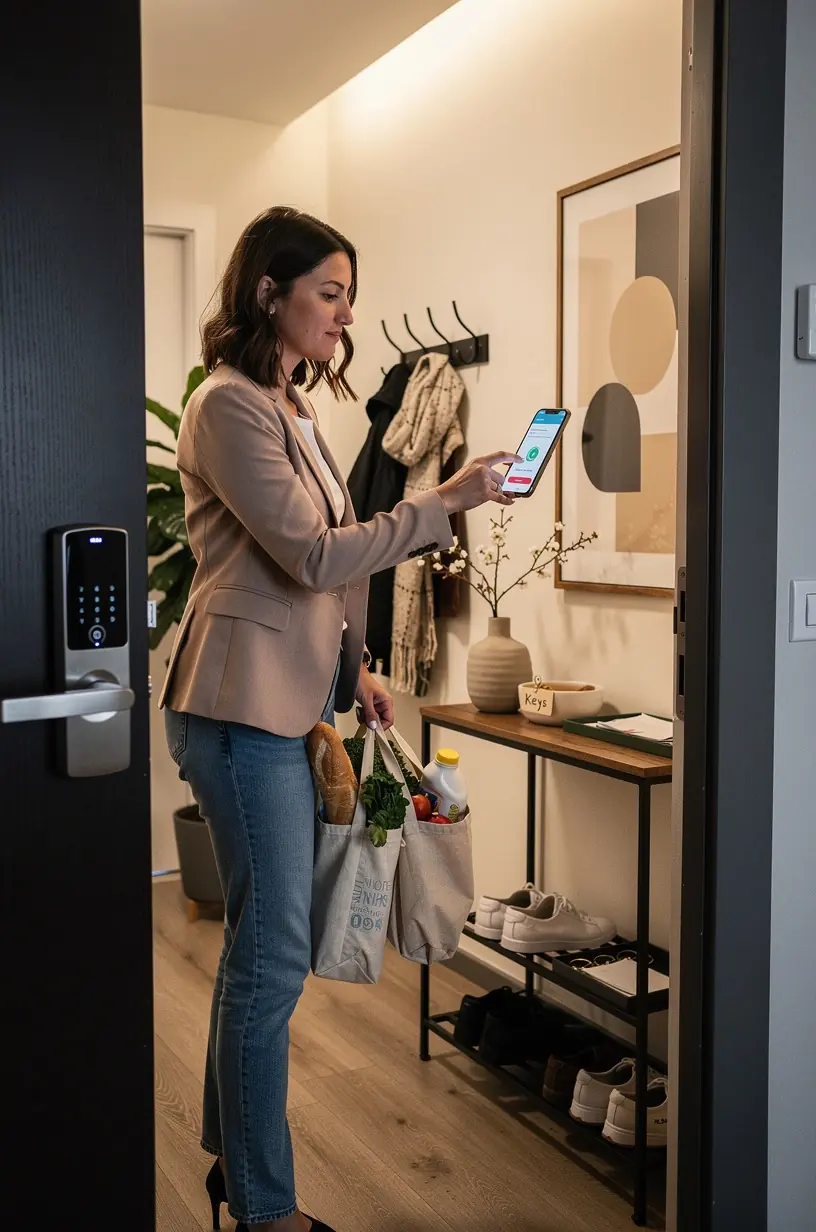
- Choose Your Devices: Research different devices based on user reviews and expert recommendations. Common options include smart cameras, motion detectors, and smart locks. Experts suggest looking for devices that offer mobile alerts and easy integration with other smart home products.
- Plan Your Installation: Installation may vary by device. Some products are designed for DIY installation, while others may require professional help. Typically, provision for a strong Wi-Fi connection is crucial for optimal performance.
- Configure Your System: After installation, set up the system according to the manufacturer's instructions. This often involves connecting devices to a central hub and customizing alert preferences. Research indicates that users who regularly update their systems and settings report better performance.
- Regular Maintenance: Periodically check the functionality of your security devices. Experts recommend testing sensors and replacing batteries regularly to ensure everything is operational.
Best Practices for Smart Security
- Utilize Two-Factor Authentication: Adding an extra layer of security can protect your system from unauthorized access.
- Stay Informed on Updates: Keep your devices updated with the latest firmware to safeguard against vulnerabilities.
- Monitor Usage: Many systems offer monitoring services that can alert you to unusual activity, which is a valuable feature for peace of mind.
Conclusion
Setting up a smart security system can be a practical approach to enhancing your home's safety. By following these steps and best practices, you can create a reliable system tailored to your needs. Remember, while smart security systems offer many benefits, they also require regular maintenance and updates to function effectively.
Learn More