Strategies for Creating an Eco-Friendly Smart Home
As the world increasingly turns towards sustainability, creating an eco-friendly smart home becomes a vital consideration. Implementing thoughtful strategies not only reduces environmental impact but can also lead to savings on energy bills. This article outlines effective approaches to enhance your living space while being mindful of the planet.
Understanding Smart Home Automation
Smart home technology refers to a range of devices that can be automated or controlled remotely, often improving energy efficiency. According to research by the U.S. Department of Energy, homes equipped with smart technology can reduce energy consumption by approximately 10-30%, depending on usage patterns and devices implemented.
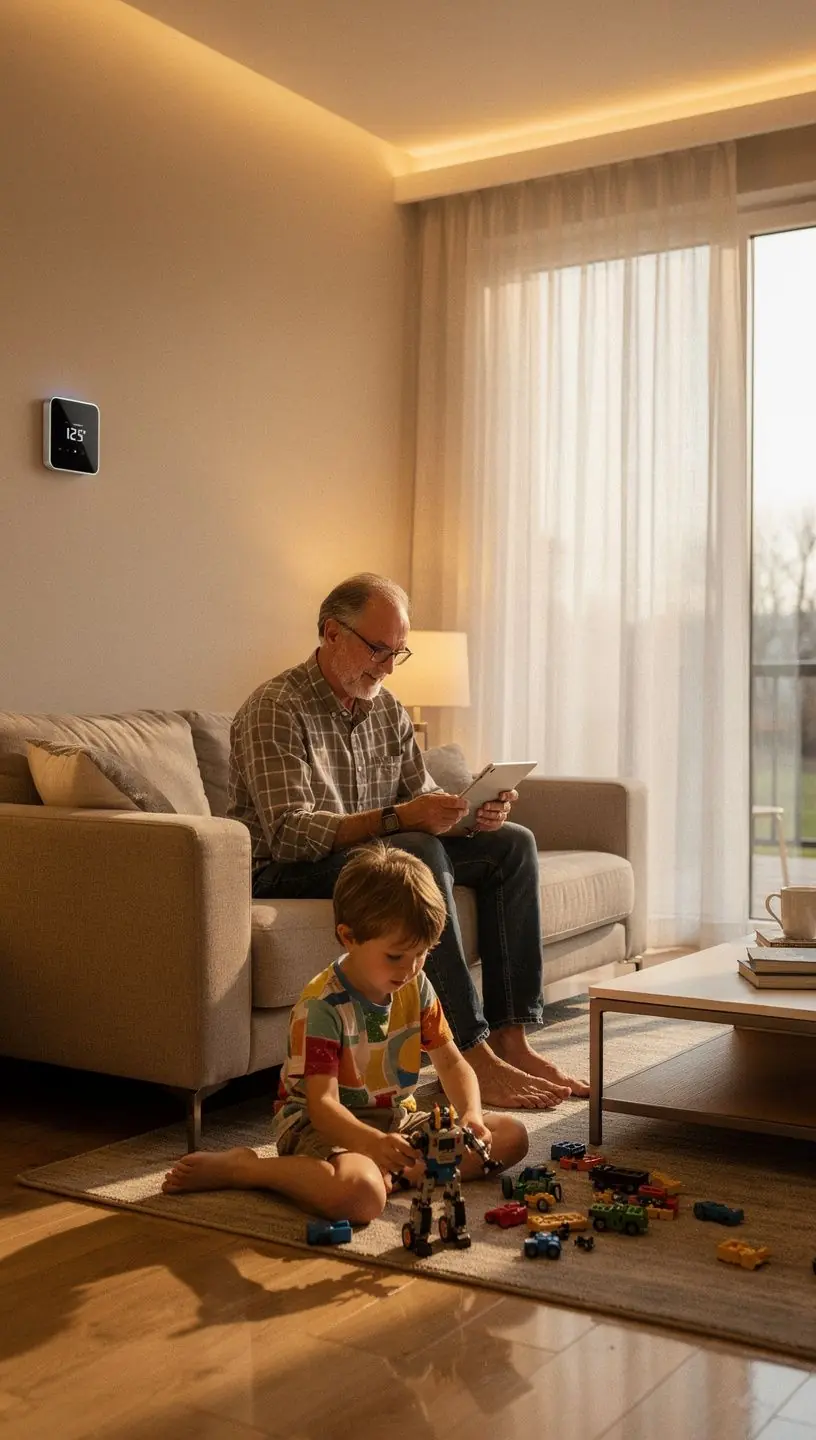
"Smart home solutions can lead to significant energy savings and a reduced carbon footprint, contributing to a sustainable future." - Energy Expert
Key Strategies for an Eco-Friendly Smart Home
- Utilize Smart Thermostats: These devices can optimize heating and cooling schedules based on your lifestyle. By adjusting temperatures automatically, smart thermostats can decrease energy use. Studies show that homes with smart thermostats can save about 10-15% on heating and cooling costs annually.
- Incorporate LED Lighting: Switching to smart LED bulbs, which last significantly longer than traditional bulbs and use about 75% less energy, can reduce electricity consumption. Many users report that integrating smart lighting, which can be programmed or controlled remotely, allows for greater efficiency and convenience.
- Monitor Energy Usage: Smart plugs and energy monitors provide real-time data about energy consumption. Understanding your usage can help you identify areas for improvement. Research indicates that simply being aware of energy consumption leads many individuals to reduce their usage by an average of 10%.
- Automate Water Usage: Smart irrigation systems can optimize water usage based on weather conditions and soil moisture levels. According to landscape professionals, using such systems can reduce water consumption by 30-50%, which is particularly beneficial in drought-prone areas.
- Integrate Renewable Energy Sources: If feasible, consider installing solar panels or other renewable energy sources. Homes powered by renewable energy can reduce their reliance on fossil fuels significantly. Industry experts suggest that integrating renewable solutions can lead to long-term cost savings, despite the initial investment.
Acknowledging Limitations
Implementing these strategies typically requires an initial investment of both time and money. For instance, installing solar panels or smart irrigation systems may take some time to yield significant savings. It's important to recognize that while many of these solutions can lead to environmental benefits, they may not be suitable for all homes. Factors such as climate, geography, and existing infrastructure should be considered.
Conclusion
Creating an eco-friendly smart home is not only achievable but can also lead to substantial long-term benefits. By utilizing technology and being mindful of energy consumption, homeowners can reduce their environmental impact while enjoying greater convenience and cost savings. Remember, the journey to a more sustainable lifestyle is gradual, and small changes can lead to significant improvements over time.