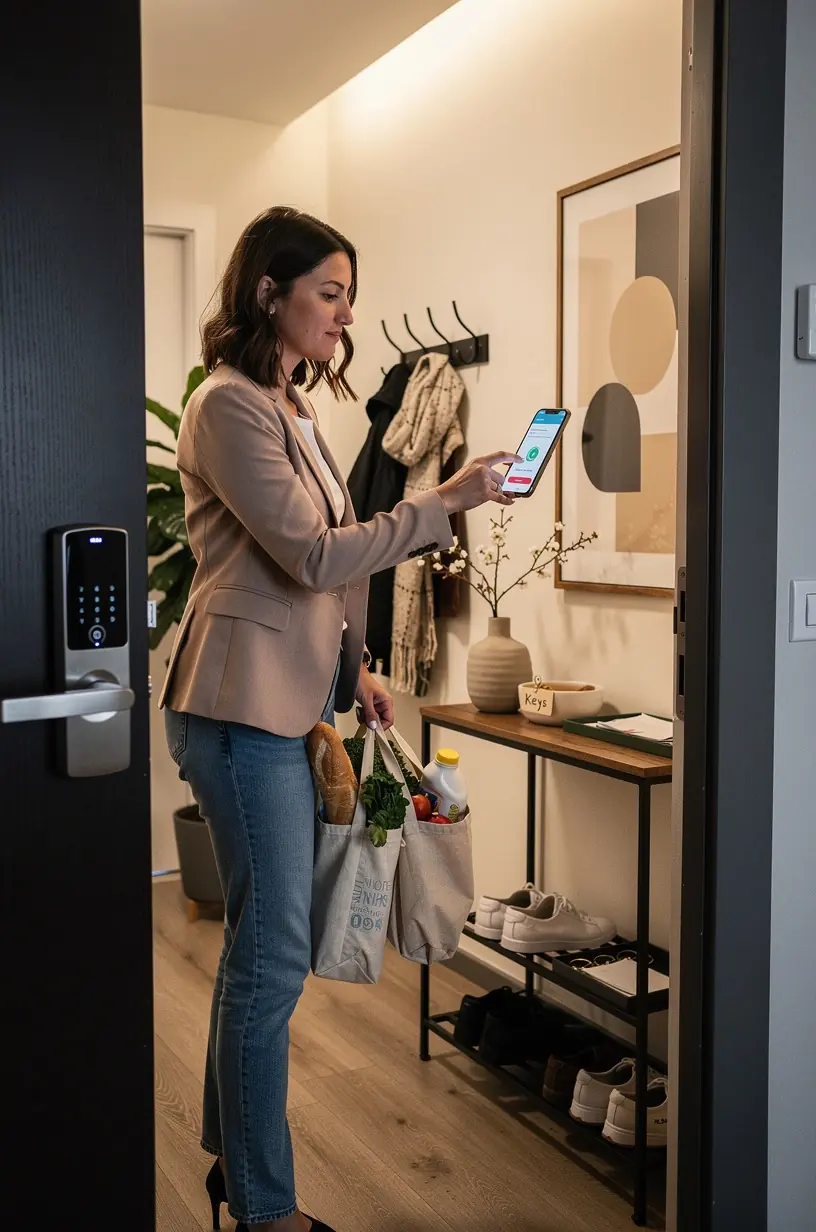
Practical Tips for Managing Smart Appliances
As smart appliances become increasingly common in modern households, managing these devices effectively can enhance convenience, energy efficiency, and overall lifestyle. This article offers practical tips to help you navigate the world of smart appliances while maximizing their benefits.
Understanding Smart Appliances
Smart appliances are designed to improve efficiency and convenience, often connecting to the internet to provide users with advanced functionalities. According to industry research, these devices can contribute to energy savings of up to 30%, depending on usage patterns. However, effective management of these appliances is essential to realize their full potential.
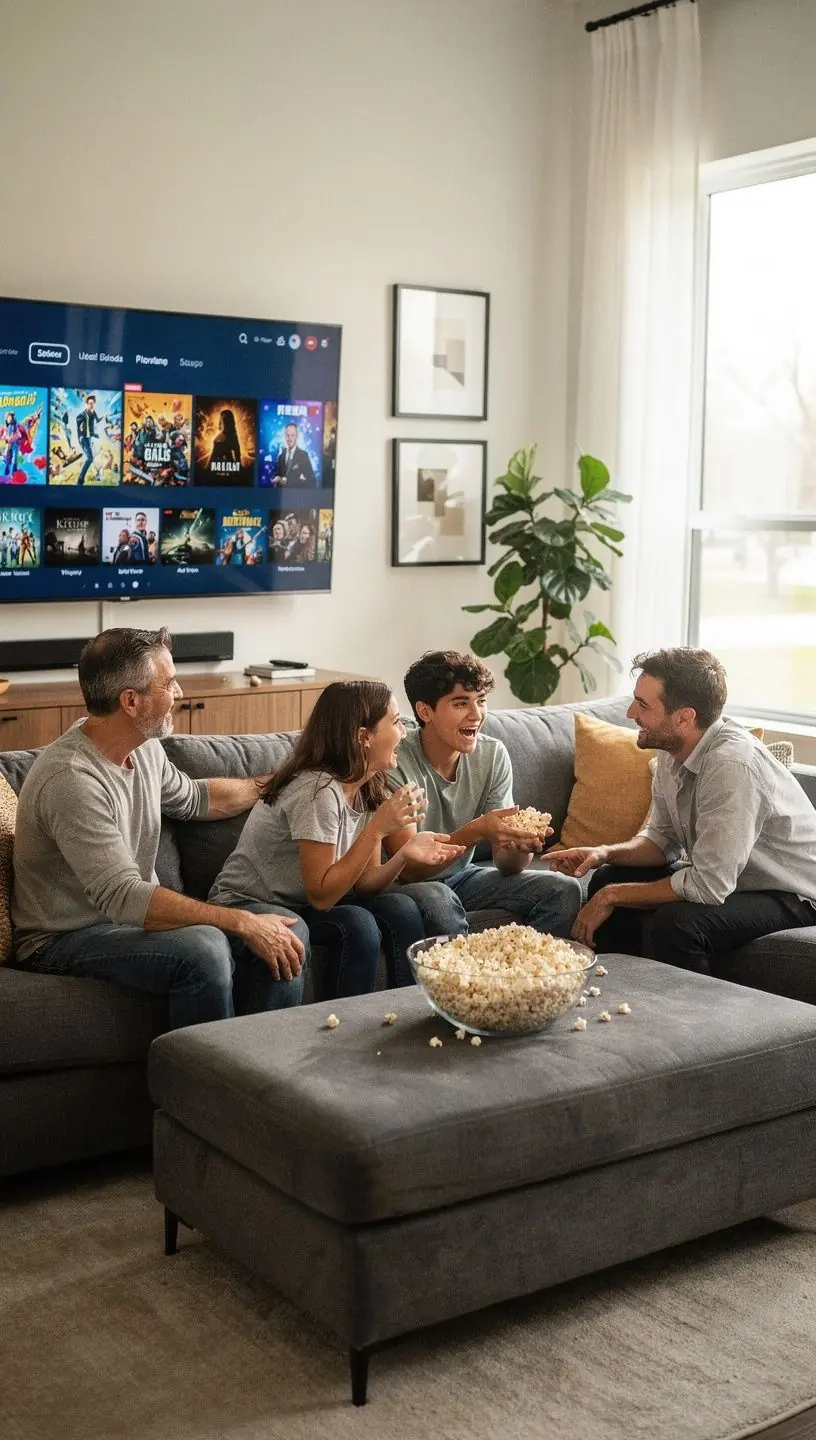
"Smart appliances can optimize your daily routines, but understanding their features is key to maximizing their benefits."
Key Strategies for Managing Smart Appliances
1. Centralize Control with Smart Hubs
Using a smart hub can streamline your interactions with various appliances. By connecting multiple devices through a single interface, you can manage settings and schedules more easily. This approach typically reduces the time spent navigating different apps and can improve user experience.
2. Schedule Regular Updates
Many smart appliances require software updates to function optimally. Scheduling these updates can enhance security and introduce new features. It’s often recommended to check for updates monthly, as experts suggest that outdated software can lead to performance issues.
3. Monitor Energy Usage
Tracking energy consumption through your appliances can provide insights into usage patterns. Most smart devices come with built-in energy monitoring features, which can help identify areas for improvement. Research shows that monitoring energy usage can lead to a reduction in overall consumption by as much as 15%.
4. Optimize Settings for Efficiency
Adjusting appliance settings can greatly influence their performance. For instance, setting your smart thermostat to learn your schedule can save energy and enhance comfort. Many users report that tailoring settings to their specific needs often leads to noticeable improvements in energy efficiency and cost savings.
Common Challenges and Solutions
While smart appliances offer numerous advantages, they can also present challenges such as connectivity issues or complexity in operation. Here are some common challenges and practical solutions:
- Connectivity Problems: Ensure that your Wi-Fi network is robust and covers the areas where your appliances are located. Using Wi-Fi extenders can improve signal strength in larger homes.
- Overwhelming Features: Take the time to read the user manuals or online resources. Understanding the full capabilities of your appliances can significantly enhance your experience.
- Security Concerns: Regularly change passwords and use two-factor authentication where possible to protect your devices from unauthorized access.
Conclusion
Managing smart appliances effectively requires a combination of understanding their functionalities and optimizing their use in your household. By applying these practical tips, you can enhance your lifestyle, achieve greater energy efficiency, and enjoy the conveniences that smart technology offers. Remember, the key is to approach these devices with a mindset of continuous learning and adaptability.