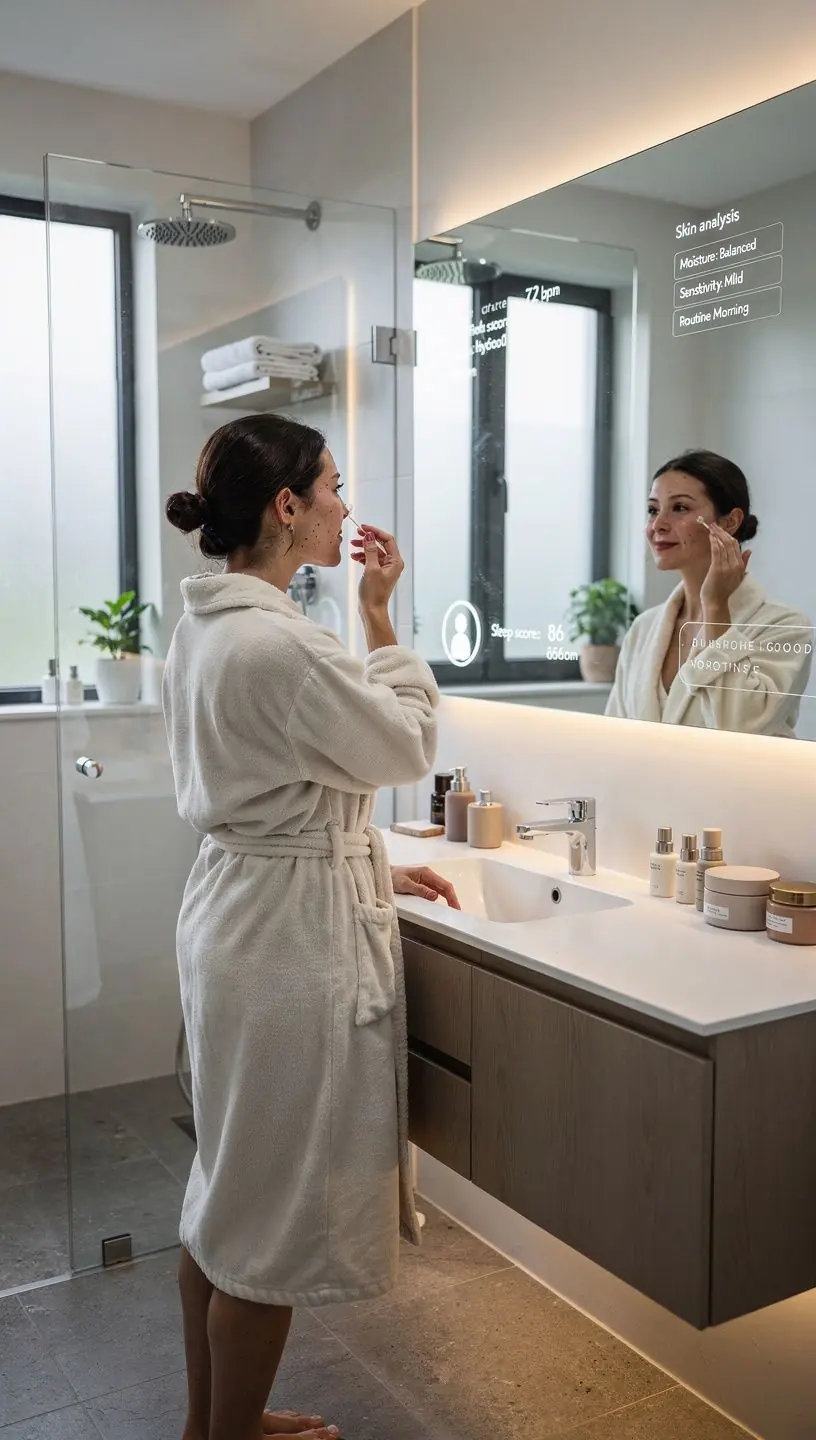
Exploring the Ergonomics of Smart Furniture
As more individuals adopt smart living solutions, the integration of ergonomics in furniture design has become increasingly important. This article delves into how smart furniture can enhance comfort and productivity while addressing common concerns about its functionality.
Understanding the Basics of Ergonomics
Ergonomics is the study of how to design workplaces and products to fit the users' needs, promoting comfort and efficiency. According to research from the Occupational Safety and Health Administration (OSHA), well-designed ergonomic furniture can reduce discomfort and increase productivity by up to 30% in many work environments. This is especially crucial in an age where many people work from home.
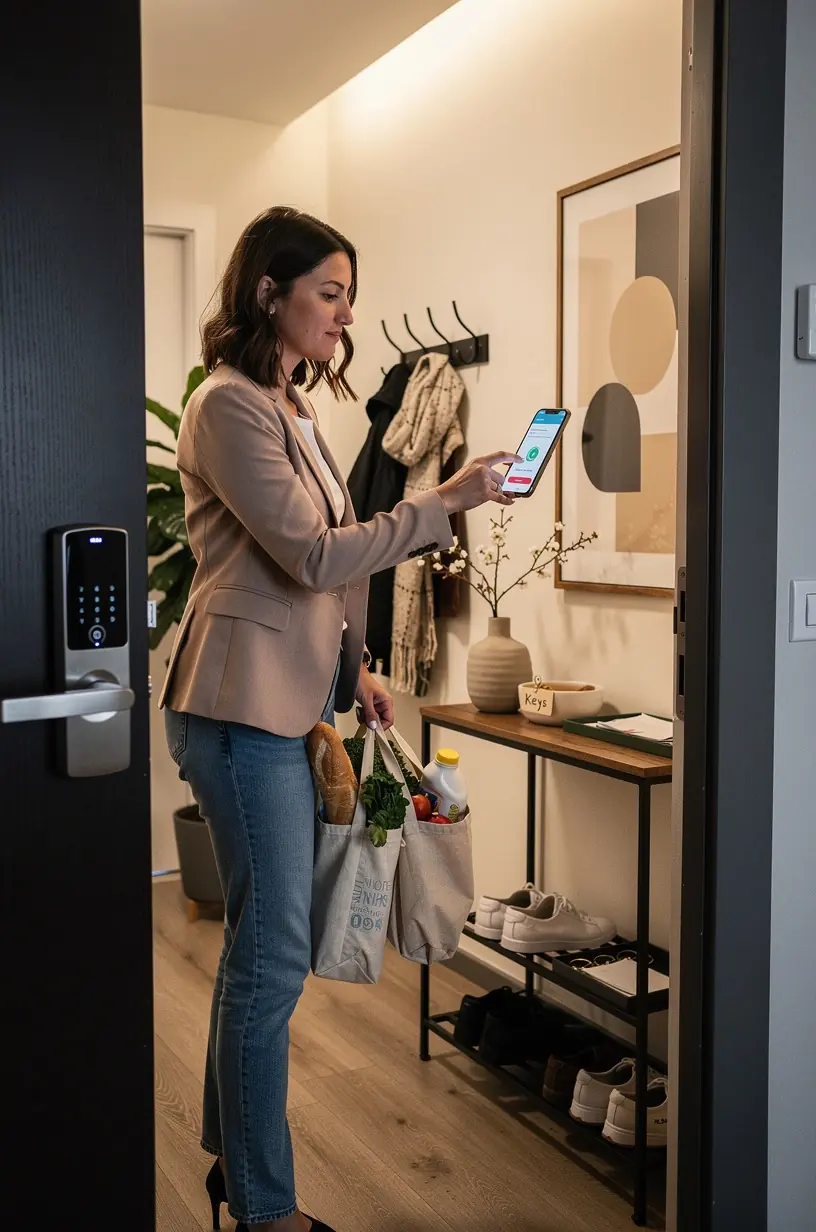
"Properly designed ergonomic workspaces can lead to significant improvements in employee satisfaction and overall health." - Workplace Ergonomics Research
How Smart Furniture Enhances Ergonomics
Smart furniture combines technology with ergonomic design principles to create adaptable solutions for modern living. Here are several ways it can be beneficial:
- Adjustable Features: Many smart desks and chairs come with adjustable heights and settings. This flexibility allows users to tailor their workstations to fit their specific needs, which can alleviate common issues like back pain.
- Integrated Technology: Features such as built-in sensors can monitor posture and remind users to take breaks or adjust their seating position. This proactive approach encourages healthier habits.
- Space Optimization: Smart furniture often includes multifunctional designs, such as desks that can convert into standing workstations. This adaptability is especially helpful in smaller living spaces.
Common Concerns and Limitations
While smart furniture presents many advantages, it's essential to acknowledge some limitations. For instance, the initial investment can be higher than traditional furniture. Additionally, users may need time to adapt to new technologies and features, which typically takes 1-2 weeks of consistent use.
Moreover, not all smart furniture is universally suitable. Individuals with specific ergonomic needs should carefully assess products to ensure they meet their personal health requirements. Consulting with an ergonomics expert is often recommended for tailored advice.
Conclusion
Smart furniture represents a promising advancement in ergonomic design, potentially improving comfort and overall productivity for many users. By understanding its features and acknowledging its limitations, individuals can make informed decisions that align with their unique needs. As the trend towards smart living continues, investing in ergonomic solutions could yield significant long-term benefits.
Learn More