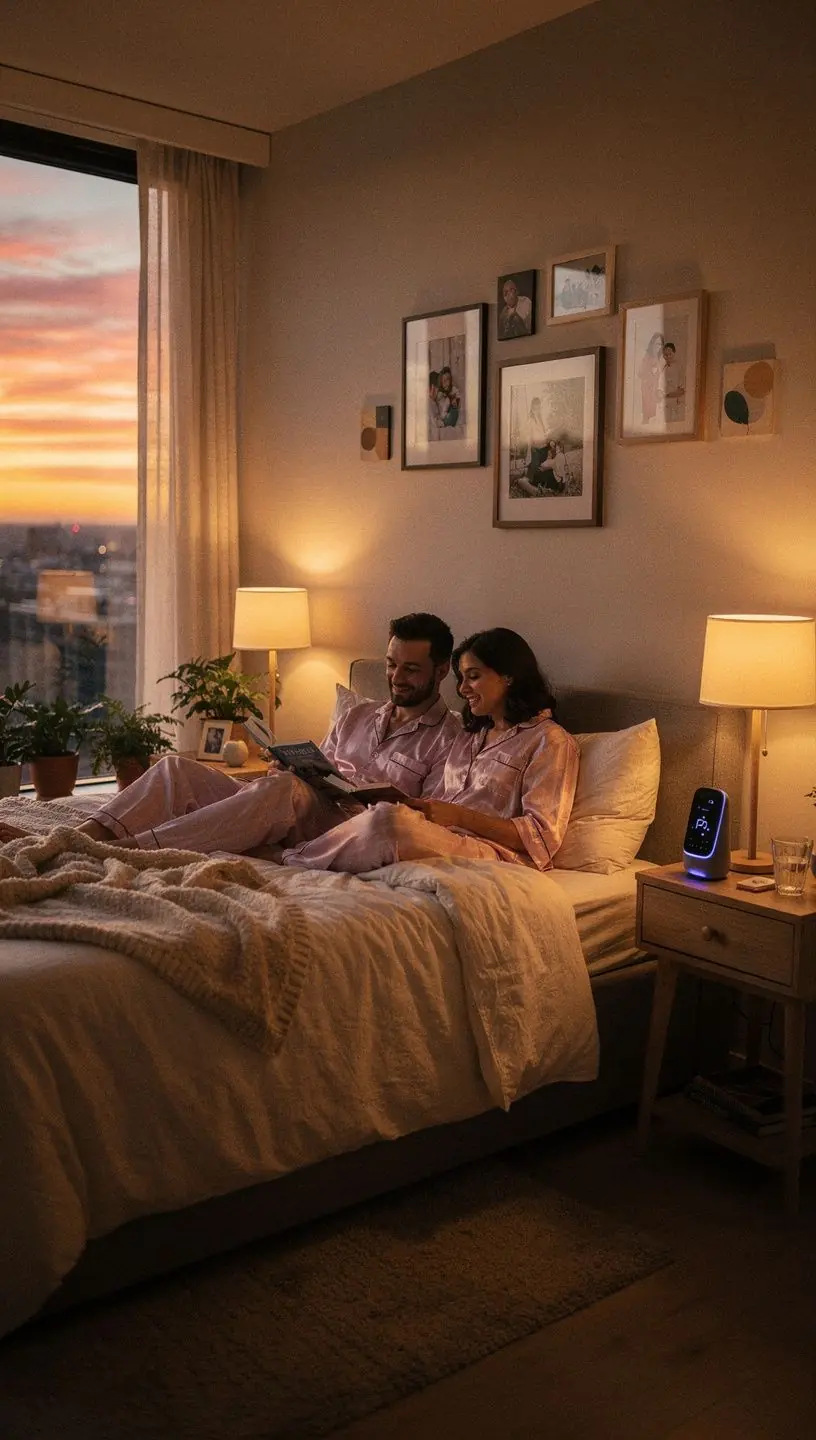
Understanding Smart Home Automation Concepts
As technology continues to evolve, smart home automation has become increasingly popular among homeowners seeking to enhance their living spaces. This article delves into the fundamental concepts of smart home automation and the benefits it offers.
Understanding the Basics
Smart home automation refers to the integration of technology into household systems to allow remote management and monitoring. These systems typically utilize the Internet of Things (IoT) to connect various devices, enabling users to control them through a central hub or mobile application. According to industry experts, this connectivity can lead to enhanced convenience, energy efficiency, and security.

"Research indicates that smart home technology can reduce energy consumption by up to 30% compared to traditional systems."
Key Components of Smart Home Automation
Several key components are essential for creating an effective smart home automation system:
- Smart Devices: These include smart thermostats, lights, locks, and appliances that can be controlled remotely.
- Central Hub: A central hub connects all smart devices, allowing them to communicate and be managed from one interface. Popular hubs include Amazon Echo and Google Nest.
- Home Network: A reliable Wi-Fi connection is crucial for the seamless operation of smart devices.
Benefits of Smart Home Automation
Implementing smart home automation can lead to various benefits:
- Increased Energy Efficiency: Many smart devices can adjust their operation based on your habits, contributing to lower utility bills.
- Enhanced Security: Smart security systems can alert homeowners to unusual activities and allow for remote monitoring.
- Improved Convenience: Automating routine tasks, such as controlling lights or adjusting temperatures, can free up valuable time.
Challenges and Considerations
While smart home automation can be beneficial, there are challenges to consider:
- Initial setup may involve a learning curve, particularly for those unfamiliar with technology.
- Maintaining security and privacy is essential, as connecting devices to the internet can expose vulnerabilities.
- Devices may require regular updates and maintenance to ensure optimal performance.
Conclusion
Smart home automation represents a promising approach to enhancing daily living through technology. By understanding the basic components, benefits, and potential challenges, homeowners can make informed decisions about incorporating automation into their lives. The journey may require some effort and learning, but it can lead to a significant improvement in your home's functionality and efficiency.